This Is The History Of Door And Window Repair In 10 Milestones


Door and Window Repair Can Save You Money and Keep Your Property Safe
Repairing your windows and doors can save you money, prevent destruction and keep your property safe. Some repairs are more difficult than others.
Water stains, frost or structural damage are obvious signs that your windows and doors need repair. If left unattended, these problems can lead to structural damage or mold, mildew or wood rot.
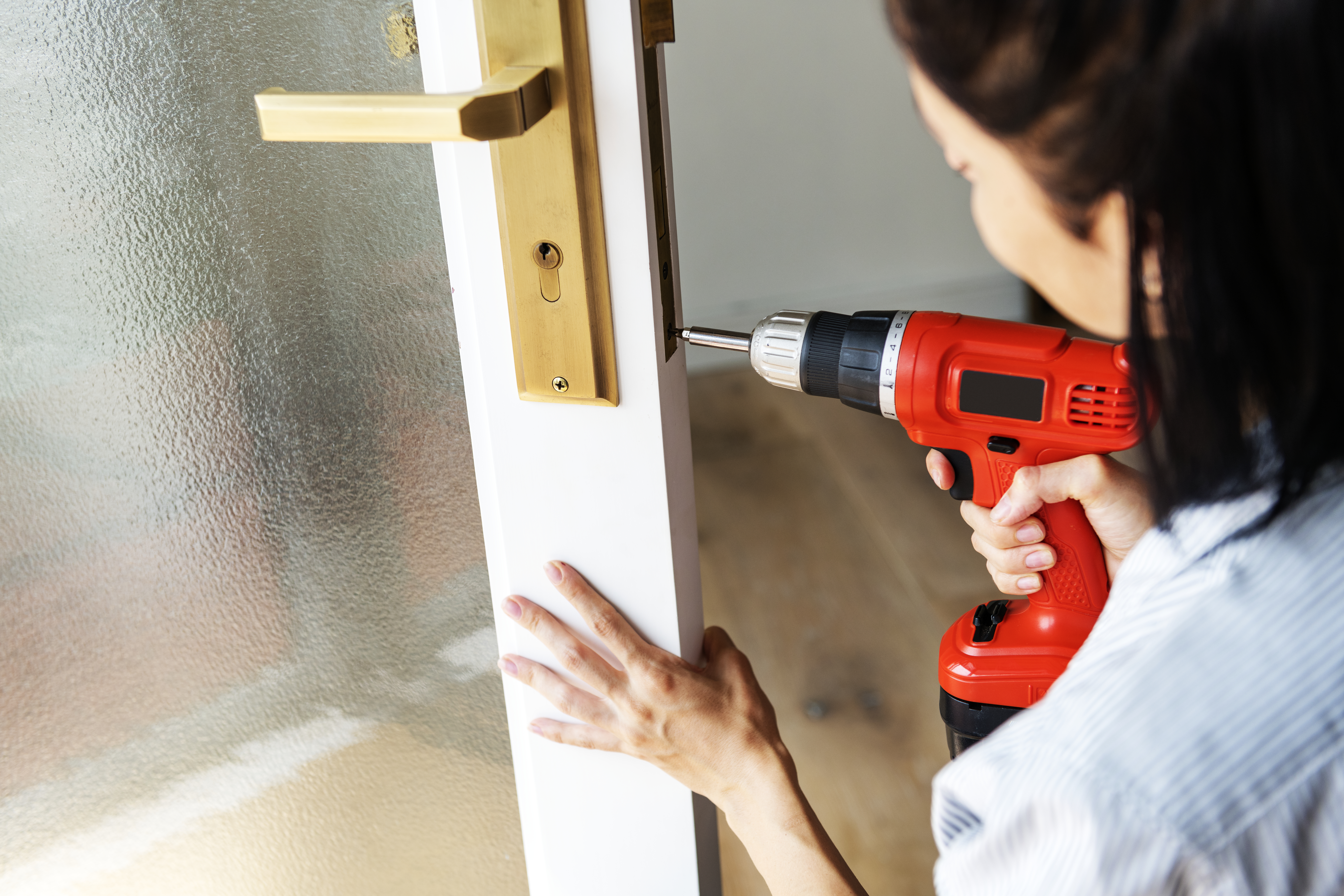
Glass Panes Broken
Broken glass panes in doors and windows compromise your home's security and prevent weatherproofing. Depending on the kind of door or window, replacing cracked or missing glass can be a daunting and time-consuming job. While you can attempt to fix these issues at home using a selection of basic tools and materials, the final results might not be as satisfactory and it is usually more efficient and safer to contact a professional for repairs and replacements.
Before you begin working with a broken window make sure you wear thick gloves and protective eyewear. When handling shattered glass there are tiny fragments that are nearly invisible that could cause injuries. It is recommended to use a scaffolding tower instead of a ladder, and to avoid windy conditions.
Typically, single-pane glass is held in place with glazing putty and points. Wear safety goggles and pliers if you need to take off old putty or points. This can be a messy work and requires a lot of care. A heat gun can be used to soften the putty, so you can scrape it off with an axe.
When you are ready to put in the new pane, make sure it is cut to the exact dimensions of the window opening. You can bring your measurements to a local glass or hardware store and have them cut the pane for you. It is important to undersize the window pane a bit, especially in a wood frame so that it can fit well and allow for seasonal expansion and contraction of the wood.
Installing the glass requires a wooden batten to be nailed around the frame's edges and at the top of the window sill. This will hold the new glass in place and keep it from being pushed into the frame as the window is opened and shut. For a more permanent solution, you can cover the entire window in polythene sheeting to temporarily seal it.
Wood Rot
Wood on the exterior and interior of a structure is a beautiful accent. However, it could also be a location that is prone to moisture-driven damages such as rot. Wood window shutters and trim work, door jambs and soffits are prone to becoming waterlogged due to moisture that seeps into cracks or voids within the structure. If the moisture is allowed to sit, it may cause rot and lead to the need for replacement of wood.
There are certain indicators to help homeowners distinguish between dry and wet rot. For example, wet dry rot is darker in shade than dry rot, and may also have white, silky sheets that cover the surface of the fungus. Wet wet rot can also leave the timber feeling spongy. Wet wet decay can also produce fruiting bodies which look like toadstools or mushrooms.
Dry and wet rot demand that a home owner take action in order to fix it. To do this, the first thing to do is to eliminate any wood that is crumbling or loose. The next step involves treating the remaining wood with a borate treatment, such as BoraCare. This product penetrates the wood, making it unattractive to insects and fungi.
Other steps that can be taken to prevent or at least limit the impact of damage caused by moisture include regularly opening windows and using dehumidifiers to minimize condensation around the structure. In addition, ensuring that the caulking around doors and windows is in good condition can aid in preventing water from getting in that it shouldn't go.
Dry and wet rot can cause structural damage that can be expensive. However they are both fairly easy to detect and stop. By being vigilant, homeowners can prevent rot from damaging their homes and enjoy the beauty of the natural material for years to come. If you spot signs of rot, call a CertaPro Painters (r) independently owned and operated in your area for immediate carpentry repairs.
Structural Damage
Doors and windows inside a home can become damaged with time, whether it's due to wear and tear or simply natural wear. Cracks and gaps in the walls can impact the overall stability of a house and energy efficiency, and allow pests and water to enter.
It can be difficult to spot structural damage, and it may be more severe than it appears. If you see cracks in the structure of your home or signs of movement, it is crucial to get a professional assess the building right away.
Roofs, walls, and framing are vital to the stability of a building. Any damage to these structures could make the building vulnerable and could even pose a risk to safety.
Common structural damage is cracking in walls and ceilings. Cracks that are hairline are common as a building settles over the years but large horizontal and vertical cracks that form in the form of a staircase above doorways are a serious warning that indicates structural damage has occurred.
upvc window repairs to the structure can be caused by ground subsidence. This could be caused by the invasive tree root system, builders removing soil or by the heave-uplifting soil triggered by changes in the moisture levels under the concrete slab.
Other indicators of structural damage are flooring and ceilings that are sagging and lintels made of timber that are rotting or breaking apart, tapered cracks in the corner of a door or window frame (which suggests movement) and bay windows that aren't tied to the building properly.
A stuck door or window may not appear to be an issue, but it can become more serious if ignored. But, a damaged or stuck window or door is a sign of a structural problem that can only be fixed by a professional. If this issue is not addressed, can cause irreparable damage and compromise the safety of family members or staff members.